Recent scientific advancements are revolutionizing peptide sequencing and therapeutic applications, promising new treatments for diseases like diabetes and offering deeper insights into the fundamental building blocks of life. These breakthroughs span novel drug delivery systems, AI-powered drug design, and innovative sequencing technologies.
Key Takeaways
- A new peptide-based platform shows promise for oral insulin delivery, potentially eliminating the need for daily injections.
- Researchers have developed a synthetic peptide that protects insulin-producing cells, offering a new therapeutic avenue for Type 2 diabetes.
- Artificial intelligence is accelerating the discovery of next-generation peptide therapeutics, particularly for metabolic diseases.
- Innovative "reverse translation" techniques are enabling single-molecule protein sequencing by converting proteins back into DNA.
Oral Insulin: A Leap Towards Non-Invasive Diabetes Management
For over a century, the development of oral insulin has been a significant challenge due to the digestive system’s breakdown of the hormone and the lack of natural pathways for its absorption into the bloodstream. However, a recent breakthrough from Kumamoto University introduces a peptide-based delivery strategy using a cyclic peptide known as the DNP peptide. This peptide facilitates insulin’s passage through the intestinal barrier, enabling it to enter the bloodstream effectively. Researchers have demonstrated success with both a mixing method, where the DNP peptide is combined with insulin, and a conjugation method, where the peptide is covalently linked to insulin. This approach has shown a pharmacological bioavailability significantly higher than previously achieved, potentially reducing the required insulin dosage for oral administration and paving the way for patient-friendly oral medications.
Novel Peptide Targets Type 2 Diabetes
In parallel, a 16-year collaboration between Loyola Marymount University and Mount Saint Mary’s University has resulted in a U.S. patent for a synthetic peptide designed to combat Type 2 diabetes. This novel peptide targets the gradual loss of insulin-producing beta cells in the pancreas, a lesser-known aspect of the disease. The research focuses on preventing the aggregation of islet amyloid polypeptide (IAPP), a protein that can form toxic clumps contributing to beta cell death. Inspired by animals naturally resistant to Type 2 diabetes, the engineered peptide acts as a shield, inhibiting harmful protein buildup and protecting pancreatic cells in laboratory studies. This discovery opens avenues for further development, including animal studies and potential therapeutic applications.
AI Accelerates Peptide Therapeutic Discovery
Artificial intelligence (AI) is also playing a crucial role in advancing peptide therapeutics. Medical students and researchers are leveraging AI tools to design next-generation peptide therapeutics, particularly for Type 2 diabetes and obesity. By using machine learning models that analyze peptide structures and chemical properties, researchers can rapidly identify promising drug candidates. This computational approach significantly accelerates the drug discovery process, reducing the years of trial-and-error laboratory work. AI is helping to design medications that can target multiple hormone receptors simultaneously, leading to more effective treatments for complex metabolic diseases.
Revolutionizing Protein Sequencing
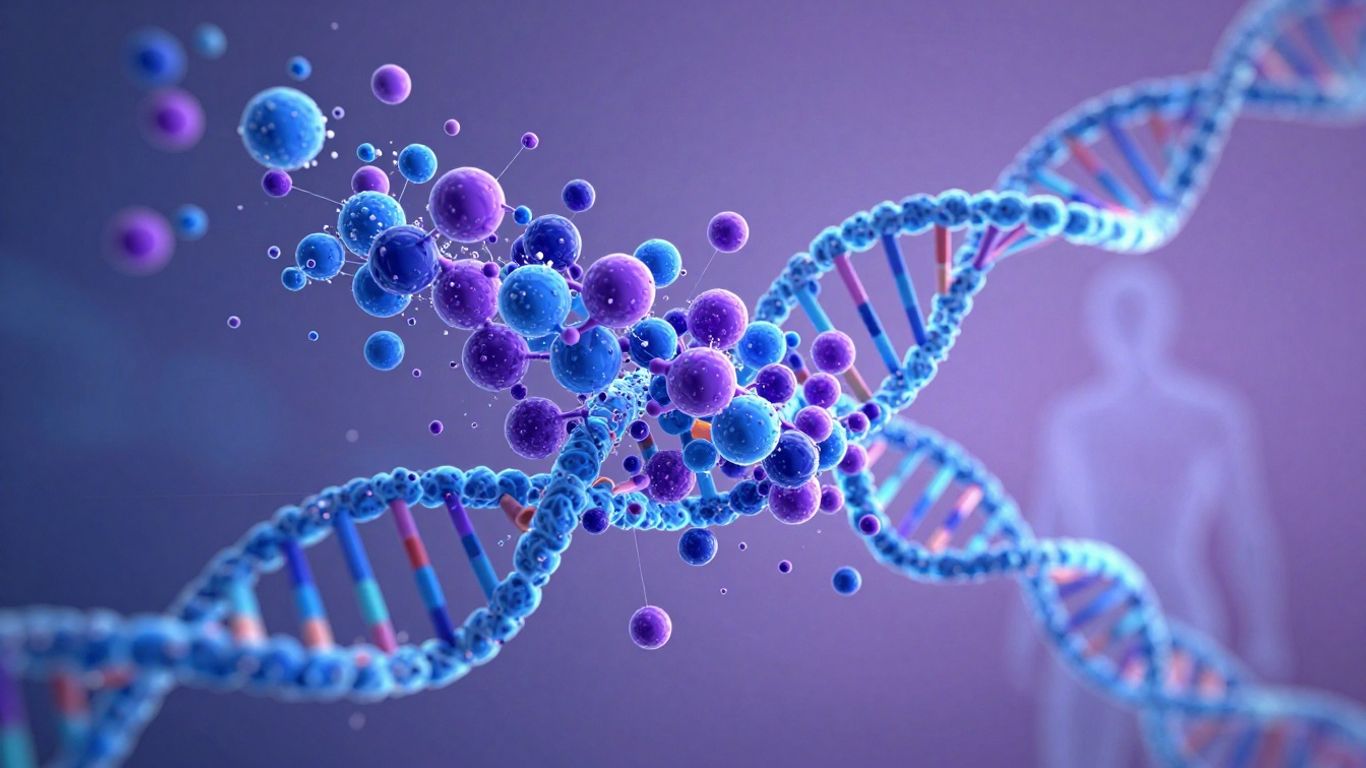
Beyond therapeutics, significant advancements are being made in protein sequencing technology. A novel approach developed at Stanford University allows for the sequencing of proteins at an unprecedented scale and sensitivity by converting them back into DNA. This "reverse translation" method leverages existing, fast, and low-cost DNA sequencing platforms. By tagging individual amino acids within a peptide with DNA barcodes, researchers can decode protein sequences at the single-molecule level. This breakthrough has the potential to reveal insights into cellular diversity, study rare disease-driving proteins, and enhance personalized medicine approaches, such as immunotherapy. The technology is being developed into a user-friendly instrument, aiming to make protein sequencing as accessible as DNA sequencing.
Sources
- Single-molecule peptide sequencing through reverse translation of peptides into DNA, Nature.
- Scientists Achieve Long-Sought Breakthrough Toward Oral Insulin Pills, SciTechDaily.
- LMU, Mount Saint Mary’s University Secure U.S. Patent for Novel Peptide Targeting Type 2 Diabetes, Loyola Marymount University.
- Can AI tools help identify next-gen peptide therapeutics?, American Medical Association | AMA.
- Tricorder Tech: Protein Sequencing Advance Offers New Insights Into Life’s Foundations, Astrobiology News.
Free tool: Dialing in your dose? Use Jon’s Peptide Calculator to reconstitute any peptide, convert milligrams to insulin-syringe units, and dial in GLP-1, BPC-157 and TB-500 doses instantly.