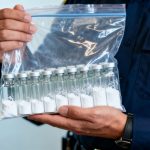
U.S. Customs and Border Protection officers in Cincinnati have intercepted a significant smuggling operation involving over 5,000 unapproved peptides, primarily the active ingredients for popular GLP-1 weight loss drugs. The scheme, originating from China, attempted to introduce these potentially dangerous substances into the United States disguised as other products.
Key Takeaways
- Over 5,000 individual shipments of unapproved peptides were seized.
- The shipments were mis-manifested and concealed within larger master cartons.
- Key ingredients for GLP-1 weight loss drugs like semaglutide and tirzepatide were among the seized items.
- CBP warns of serious health risks associated with uncertified overseas medications.
A Sophisticated Smuggling Scheme Uncovered
In December 2025, CBP officers at the Port of Cincinnati identified a concerning trend of clandestine peptide importation. A shipper in China was attempting to smuggle various peptides, including the active ingredients for Glucagon-like peptide-1 (GLP-1) weight loss drugs, into the U.S. These shipments were consistently mis-manifested, with the contents declared as something other than what they truly were.
The operation involved large master cartons containing numerous smaller, unmanifested individual shipments. These smaller packages were pre-labeled with shipping information for their intended recipients. Since the discovery of this scheme, Cincinnati CBP officers have identified over 300 master carton smuggling attempts, each concealing approximately 15 individual shipments, totaling around 5,000 individual peptide shipments.
Health Risks and Regulatory Concerns
"CBP officers in Cincinnati work tirelessly to combat the importation of unapproved shipments of goods such as these peptides used in weight loss injectables," stated Cincinnati Port Director Eric Zizelman. "Noncertified or unlicensed chemicals originating from other countries and shipped into the United States presents a serious health risk to those who use them. CBP urges consumers to not gamble their health against the efficacy of prescription medicines they purchase online from overseas vendors."
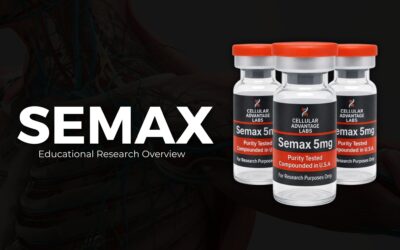
The seized peptides included well-known GLP-1 medications such as retatrutide, semaglutide, and tirzepatide, alongside other FDA-prohibited peptides like MOTS-C, TB10, semax, and cagrilintide.
Therapeutic peptides for health or weight loss require a doctor’s prescription and are regulated by the U.S. Food and Drug Administration (FDA). The authenticity and safety of these imported products cannot be guaranteed, as they are manufactured in overseas facilities that may not adhere to proper manufacturing standards. Such products could be contaminated with dangerous substances or impurities.
CBP’s Role in Protecting Public Health
Imported drugs must meet the FDA’s stringent standards for quality, safety, and effectiveness. CBP collaborates closely with the FDA to intercept illegal medications and uncertified medical devices that pose health risks to consumers. The FDA provides guidance on legitimate drug importation processes and has previously alerted the industry about correct declaration procedures for GLP-1 entries.
CBP encourages consumers to be aware of admissibility requirements and clearance processes for e-commerce goods. Buyers are urged to verify that their purchases and their importation comply with all state and federal regulations to safeguard their health.
Sources
- Cincinnati CBP foils scheme to smuggle over 5,000 unapproved peptides into the U.S., U.S. Customs and Border Protection (.gov).