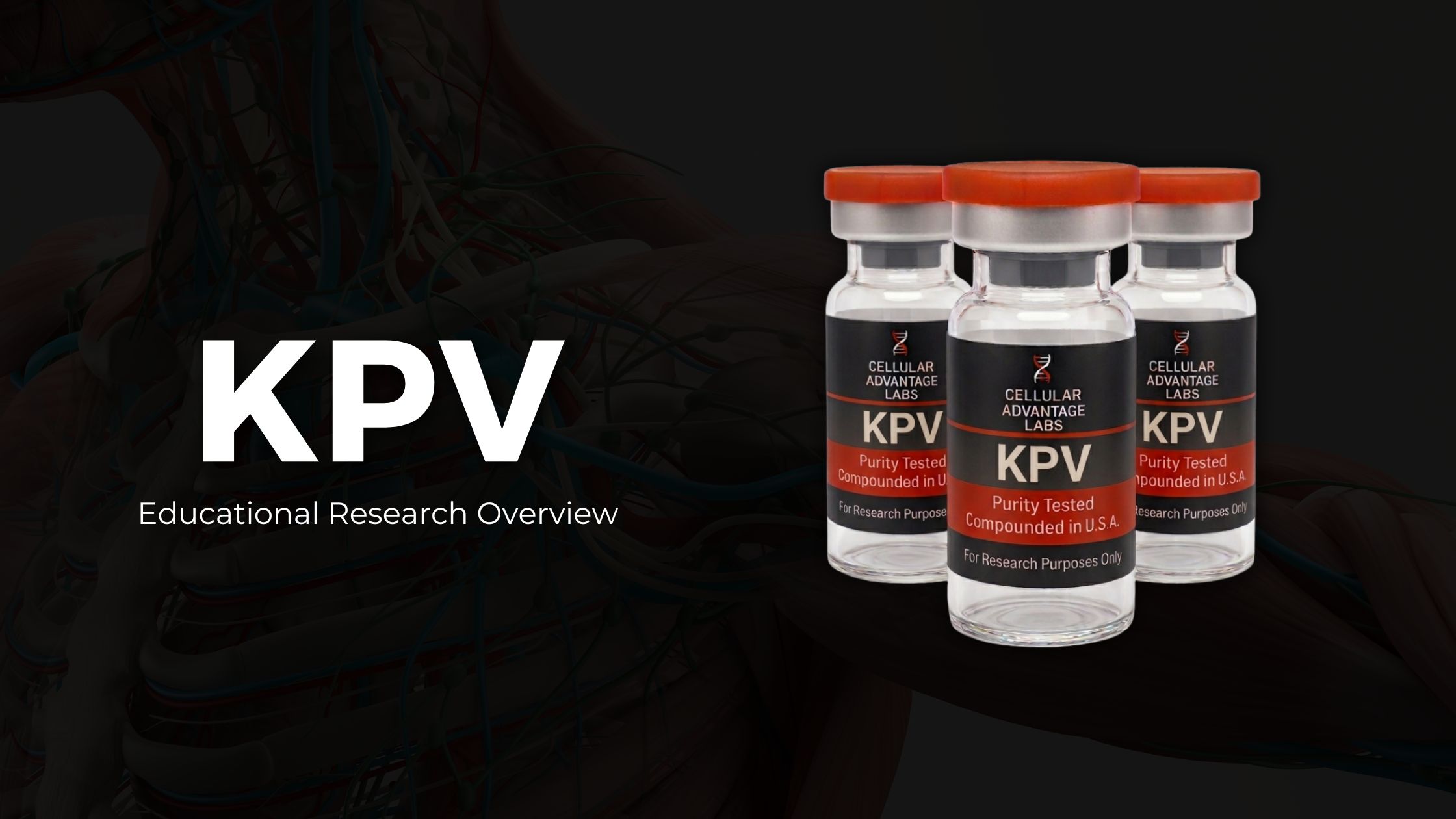
Peptides are one of the most fascinating areas of modern biological research. One compound often mentioned in these discussions is KPV. Although research is ongoing, interest in this compound continues to grow. While the science is still evolving, peptides like KPV are frequently discussed in the context of recovery, metabolism, and cellular signaling.
What Is KPV?
In simple terms, peptides are tiny protein fragments that carry instructions between cells. They are made up of amino acids linked together in small chains. KPV belongs to this broader category of signaling molecules that interact with receptors throughout the body and help coordinate biological responses.
How Peptides Work?
When a peptide connects with a receptor on a cell, it can trigger a series of biological signals. These signals may influence processes such as hormone release, metabolic activity, tissue repair, or immune responses. Because peptides can activate specific pathways, they have become a major focus of modern research.
Why Researchers Study This Peptide?
KPV has gained attention because researchers want to understand how it interacts with the body’s natural signaling systems. Studies exploring peptides often focus on topics such as cellular communication, metabolic pathways, recovery science, and longevity research.
Educational Resources
Peptide Calculator: https://japrotocols.com/calculator
Cellular Advantage Academy: https://cellularadvantageacademy.com
FAQ
What are peptides?
Peptides are short chains of amino acids that help cells communicate with each other.
Why are peptides studied?
Researchers study peptides because they can influence important biological signaling pathways.
Disclaimer
This article is for educational purposes only and should not be considered medical advice.